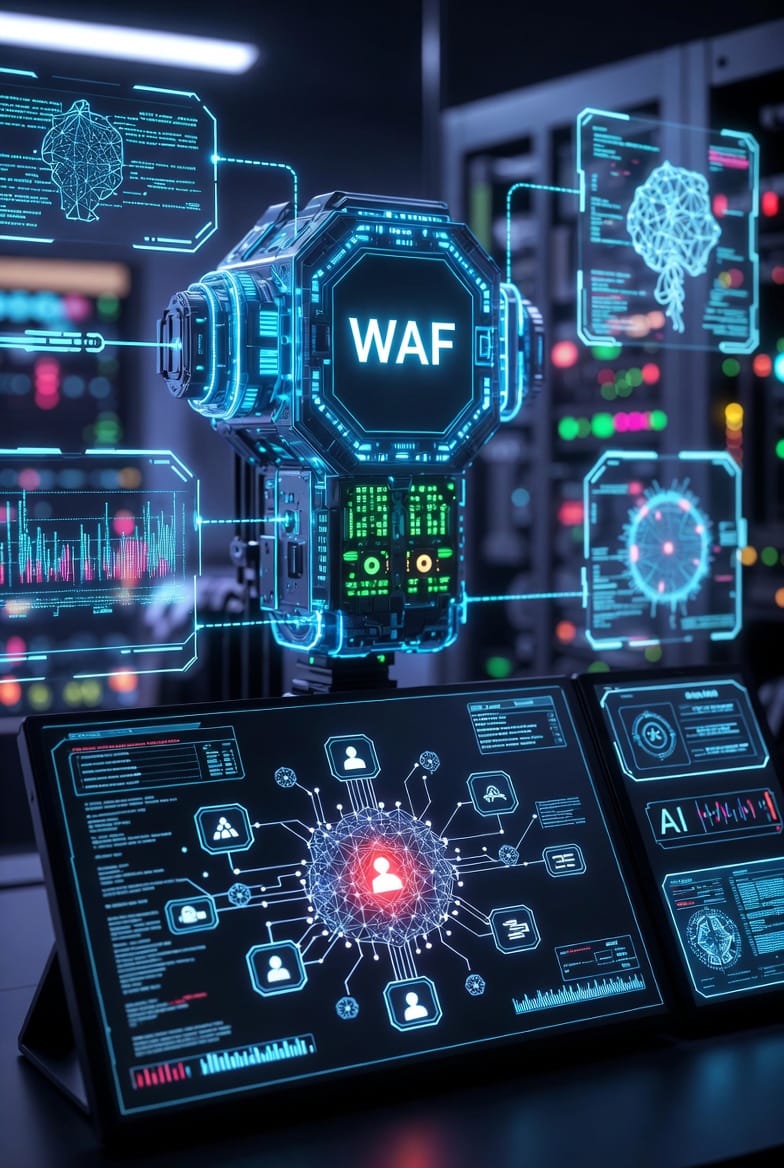
Beyond the Shield: The 2024 Playbook for Proactive WAAP
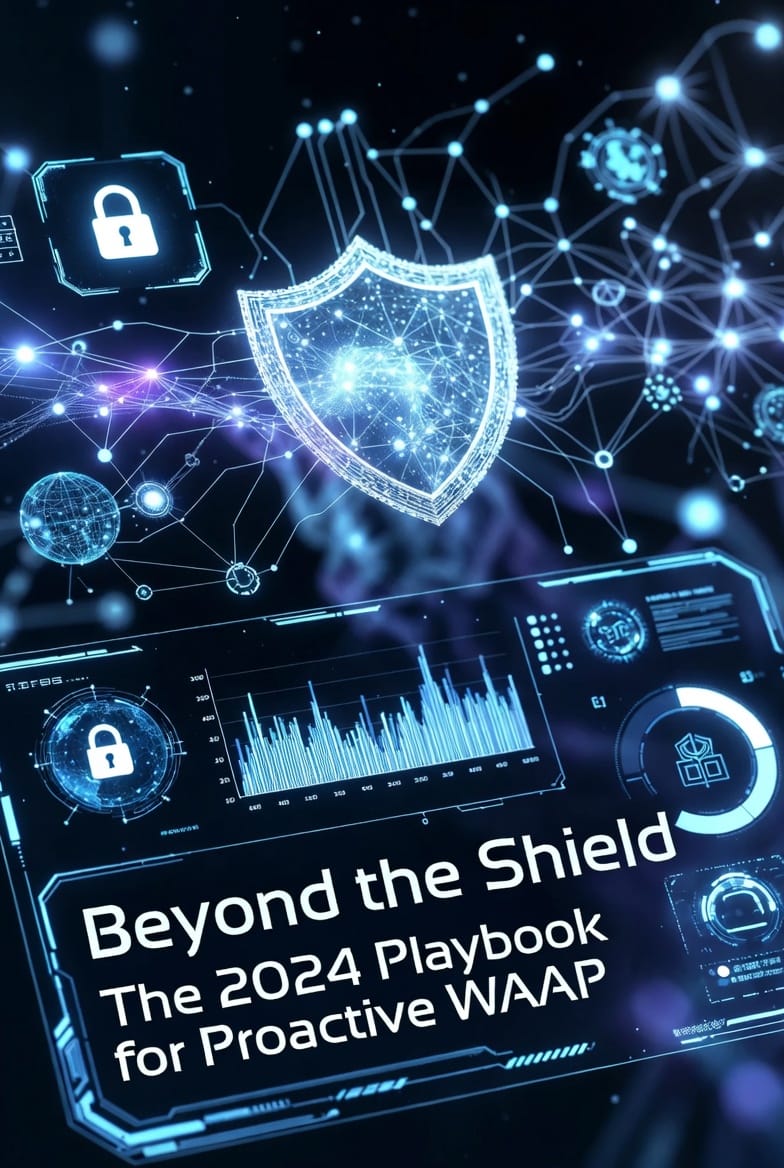
For years, the Web Application Firewall (WAF) has been the stoic defender of our digital castles—a shield designed to repel known attacks based on a library of signatures. But in 2024, the nature of the siege has changed. Attackers are no longer just storming the gates; they are exploiting the very logic of our applications, APIs, and automated systems. The static shield is no longer enough. It's time to move beyond the traditional WAF to a proactive, intelligent, and deeply integrated defense: the Web Application and API Protection (WAAP) platform.
If your security strategy still revolves around blocking known-bad signatures, you're not just behind the curve—you're defending a battle that has already moved elsewhere. This is the 2024 playbook for building a proactive defense that anticipates threats rather than just reacting to them.
Trend 1: AI-Powered Contextual API Security — Beyond Schema Validation
The biggest shift in the threat landscape is the focus on APIs. While traditional WAFs have slowly adapted to validate OpenAPI schemas, this is now table stakes. Proactive WAAP platforms in 2024 are using AI and machine learning to understand the business logic and context of API calls, not just their structure.
This contextual intelligence allows for the detection of sophisticated attacks that schema validation alone would miss:
- Broken Object Level Authorization (BOLA): An AI model can learn that
user_Atypically only accessesorder_ids between 1000-1500. When that same user's token is suddenly used to requestorder_id: 8000, the WAAP can flag it as a potential BOLA attack, even if the request is perfectly formed. - Anomalous Sequencing: Attackers often probe APIs in unusual sequences. A legitimate user might call
/get-cart, then/add-item, then/checkout. An AI-powered WAAP can detect a session that jumps straight to making thousands of rapid calls to/get-item-priceas a reconnaissance or price-scraping attack. - Business Logic Abuse: Imagine a "forgot password" API that is being called for thousands of different usernames from a single IP. A traditional WAF sees a series of valid requests. A context-aware WAAP sees a classic user enumeration attack and can throttle or block the source.
Trend 2: The War on Bots — Intelligent, Frictionless Mitigation
The bot problem has evolved far beyond simple web scrapers. Today's malicious bots are sophisticated, distributed, and expertly mimic human behavior to carry out credential stuffing, inventory hoarding, and application-layer DDoS attacks. In response, the defense is moving from annoying CAPTCHAs to invisible, AI-driven analysis.
Modern bot defense, a core component of WAAP, focuses on building a high-fidelity fingerprint of every user session by analyzing hundreds of signals in real-time:
- Behavioral Biometrics: How a user moves their mouse, the cadence of their typing, or how they swipe on a mobile device.
- Device and Browser Fingerprinting: Analyzing subtle tells in TLS handshakes, HTTP headers, and browser rendering to identify headless browsers or spoofed clients.
- Reputation Analysis: Using global threat intelligence to determine if an IP address or ASN is part of a known botnet or proxy network.
The goal is to challenge only the suspicious few, allowing legitimate human users and good bots (like search engine crawlers) to pass through without friction. This intelligent mitigation is essential for protecting user experience while defending against automated threats.
Trend 3: eBPF — High-Speed Enforcement at the Kernel Level
One of the biggest historical drawbacks of deep packet inspection was latency. Pulling traffic into user-space for analysis adds overhead, forcing a trade-off between security and performance. This is where eBPF (extended Berkeley Packet Filter) is a revolutionary force in 2024.
eBPF allows WAAP vendors to run sandboxed security logic directly within the Linux kernel. This has profound implications:
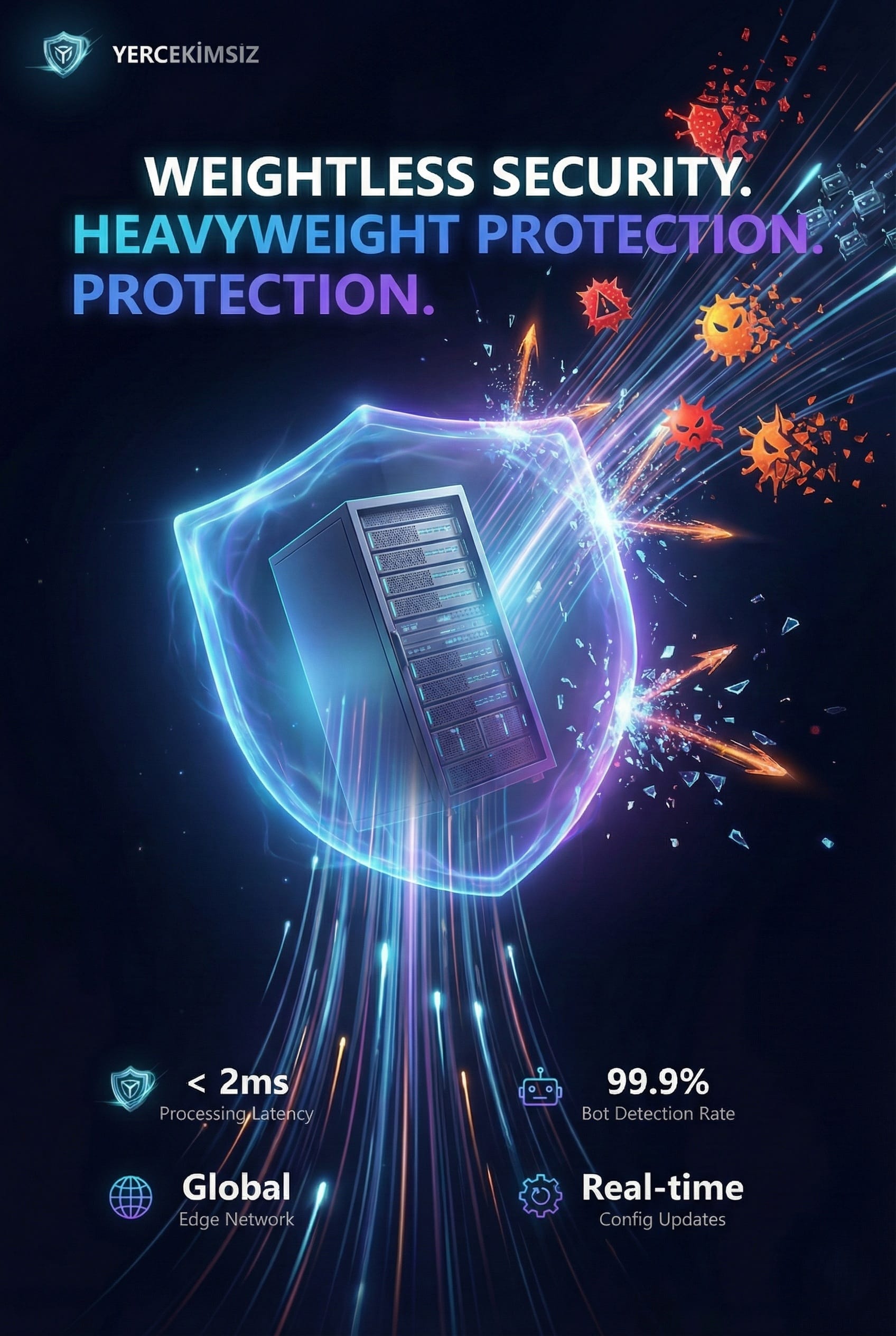
- Near-Zero Latency: By inspecting traffic at the kernel level, malicious requests can be dropped before they ever reach the application network stack. This makes deep, contextual analysis possible without a performance penalty.
- Unprecedented Visibility: An eBPF-powered WAAP can correlate a network request with the specific process that handled it, the system calls it made, and even the files it accessed. This provides an incredibly rich context for detecting threats that are invisible to a traditional reverse-proxy WAF.
- Cloud-Native Supremacy: In ephemeral Kubernetes environments where IP addresses are meaningless, eBPF provides a stable, identity-aware security layer that is independent of the network topology.
Conclusion: From Reactive Shield to Proactive Co-Pilot
The evolution from WAF to WAAP is a story of increasing intelligence and proactivity. The modern security "firewall" is no longer a static shield; it is an active co-pilot that is deeply integrated with the applications it protects. By combining AI-driven context for API security, intelligent bot mitigation, and the raw power of eBPF for high-speed enforcement, organizations can build a security posture that is not just resilient, but predictive.
In 2024, the question is no longer, "Do you have a WAF?" The real question is, "Is your WAAP smart enough to defend against the future?"