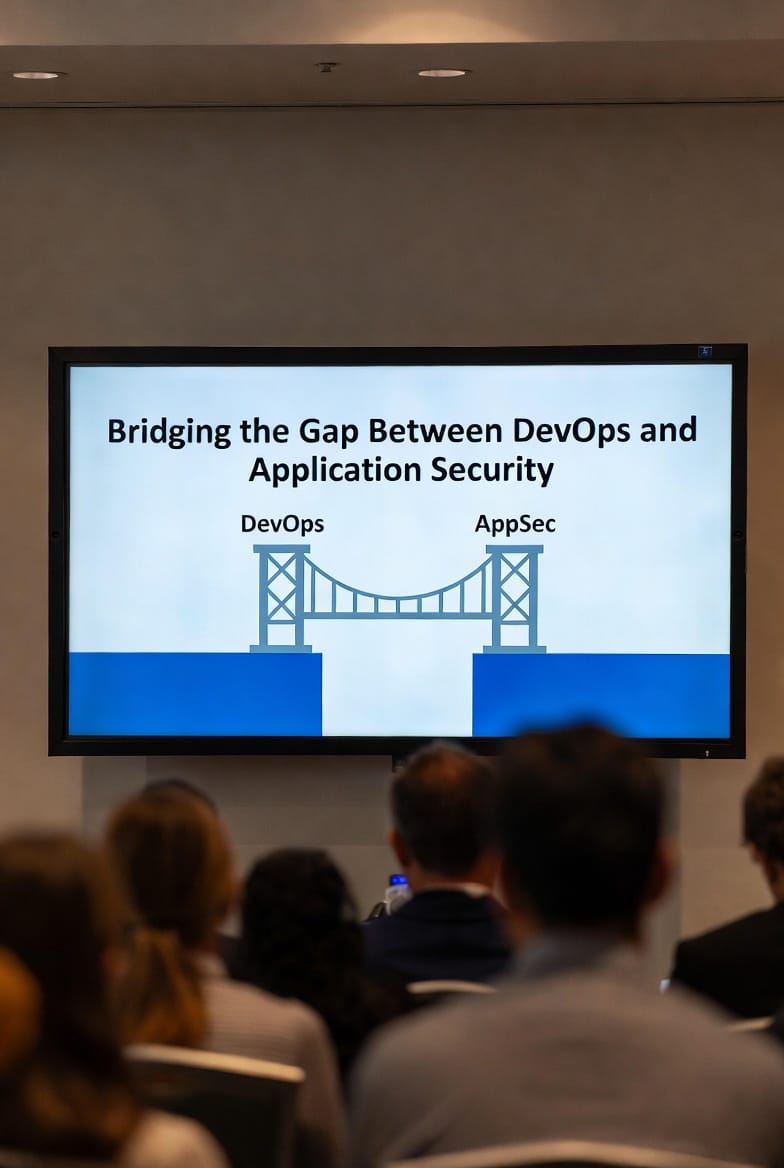
Bridging the Gap Between DevOps and Application Security
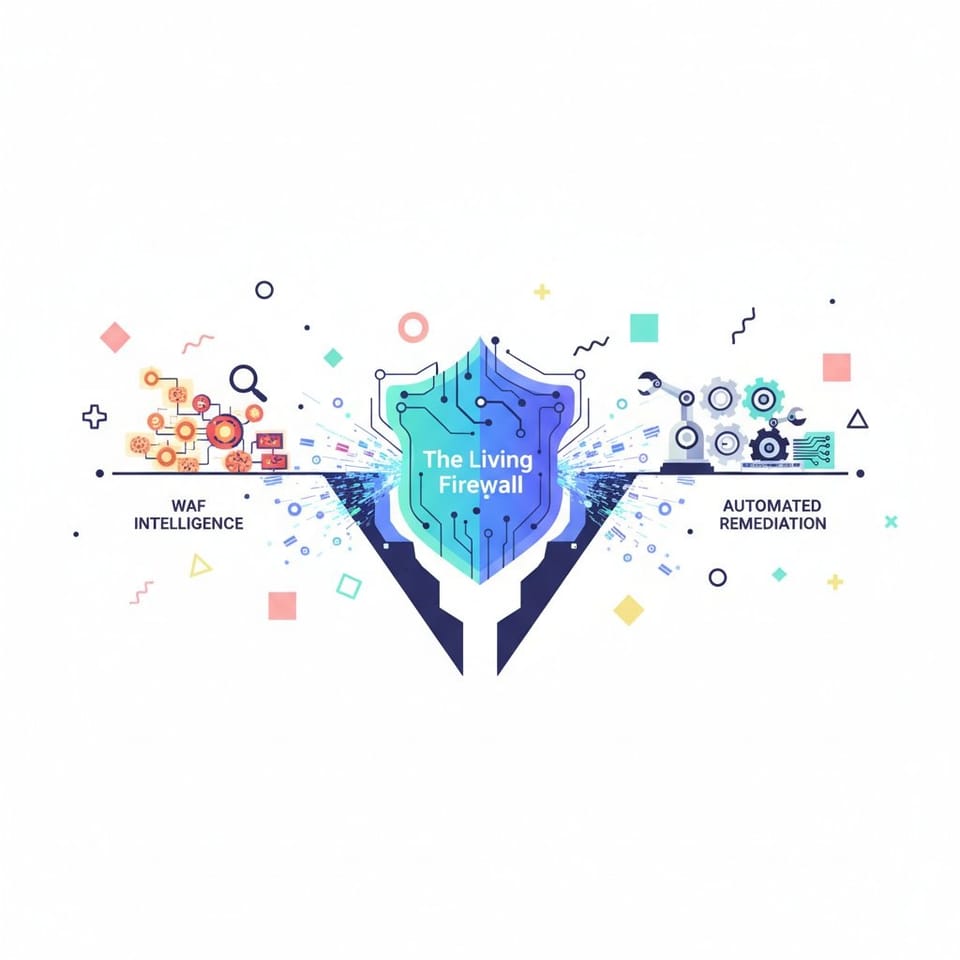
WAF-as-Code: Bridging the Gap Between DevOps and Application Security
In the modern era of rapid deployment, the traditional separation between development teams and security operations is no longer sustainable. As organizations shift toward continuous integration and continuous deployment (CI/CD) cycles, the Web Application Firewall (WAF) must evolve from a static, manually managed appliance into a dynamic component of the software development lifecycle. By adopting a "WAF-as-Code" approach, businesses can ensure that security policies are version-controlled, tested, and deployed alongside the application code, eliminating the bottlenecks that often occur when security is treated as an afterthought.
Key Technical Details
WAF-as-Code leverages declarative configuration files—typically in JSON or YAML format—to define security rules, whitelist parameters, and threat mitigation strategies. This allows security engineers to treat firewall rules exactly like application source code. When integrated into a GitOps workflow, any change to the WAF policy undergoes the same peer-review process as a feature update. This not only increases transparency but also allows for automated validation of security rules before they reach production, significantly reducing the risk of false positives that could disrupt legitimate user traffic.
Modern WAF providers now offer APIs and specialized providers (such as Terraform or Ansible modules) that allow for the automated provisioning of these rules. For instance, a security team can define a baseline policy that blocks common injection attacks and apply it globally across all microservices, while developers can contribute service-specific exclusions within the same repository.
# Example Declarative WAF Policy for a CI/CD Pipeline
apiVersion: "security.example.com/v1"
kind: "WafPolicy"
metadata:
  name: "frontend-protection-baseline"
spec:
  enforcementMode: "blocking"
  signatures:
    - id: 200000123
      name: "SQL-Injection-Attempt"
      action: "block"
    - id: 200000456
      name: "Cross-Site-Scripting-Detected"
      action: "block"
  botDefense:
    enabled: true
    mitigation: "captcha"
  ipReputation:
    enabled: true
    categories:
      - "spam_sources"
      - "windows_exploits"
Best Practices
To successfully implement WAF-as-Code and maintain a high level of application safety, organizations should follow these actionable recommendations:
Version Control Everything: Store your WAF configurations in the same repository as your application infrastructure to ensure that security settings are always in sync with the current version of the software.
Implement Automated Testing: Use "security unit tests" to simulate common attacks against a staging environment. If a new code change causes the WAF to block legitimate traffic, the build should fail before reaching production.
Granular Rule Application: Avoid "one-size-fits-all" policies. Use your CI/CD pipeline to apply specific security contexts based on whether the application is a public-facing API or an internal management dashboard.
Audit and Review: Leverage Git pull requests to ensure that every change to the WAF policy is reviewed by both a developer and a security specialist, fostering a culture of shared responsibility.
Conclusion
Moving security to the "left" of the development cycle is not just a trend; it is a necessity for maintaining a robust defense in an era of automated threats. By transforming the WAF into a programmable asset, organizations can achieve a state of "security at speed," where application safety is baked into the pipeline rather than bolted on at the end. WAF-as-Code empowers teams to be agile without sacrificing the integrity of their perimeter, ensuring that as the application grows, its defenses grow with it.