The Self-Healing Perimeter

The Self-Healing Perimeter: Automating Security Remediation in Modern Pipelines
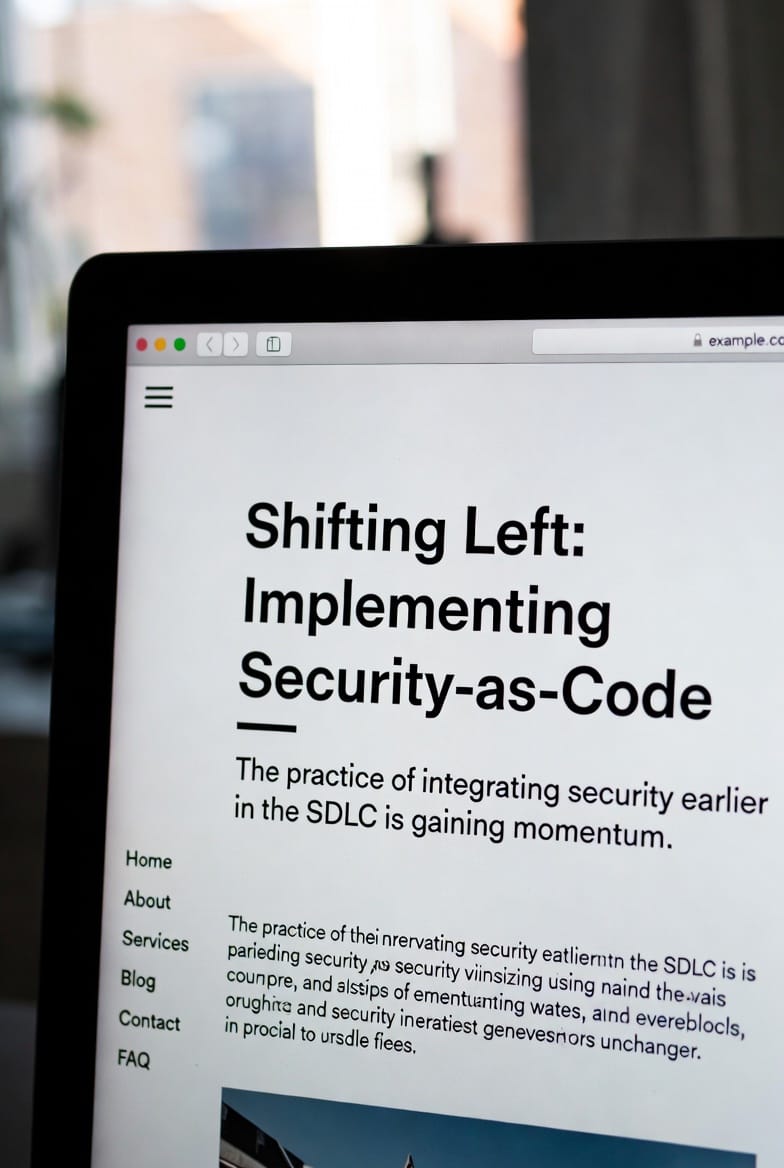
In the current landscape of rapid deployment, the traditional wall between security operations and development teams is no longer sustainable. As organizations adopt microservices and distributed architectures, the volume of potential attack vectors increases exponentially. While shifting left has focused on finding vulnerabilities early, the next evolution in application safety is the "Self-Healing Perimeter." This approach moves beyond static defense by integrating real-time security intelligence directly into the CI/CD pipeline and runtime environment, allowing the system to automatically adjust its posture when threats are detected.
Automated Virtual Patching and Behavioral Blocking
The core of a self-healing perimeter lies in the ability to convert observability data into actionable security rules without human intervention. When an Application Security Testing (AST) tool or a Web Application Firewall (WAF) identifies a specific vulnerability or an emerging pattern of exploitation, the system triggers an automated workflow. This workflow creates a "virtual patch"—a temporary WAF rule that blocks the specific attack pattern while developers work on a permanent code fix. This reduces the Window of Exposure (WoE) from days or weeks to mere seconds.
By leveraging APIs provided by modern WAFs and cloud providers, security engineers can script the lifecycle of these rules. For instance, when a log analysis tool detects a high volume of SQL injection attempts from a specific set of IPs or headers, a script can automatically update the WAF's IP Set or blocklist. Below is an example of how a Python-based automation script might interact with a cloud-native WAF API to programmatically mitigate an active threat.
waf = boto3.client('wafv2', region_name='us-east-1')

def apply_emergency_block(ip_address, ip_set_id, ip_set_lock_token):
    """
    Programmatically adds a malicious IP to an existing WAF IP Set.
    """
    try:
        response = waf.update_ip_set(
            Name='MaliciousActorBlocklist',
            Scope='REGIONAL',
            Id=ip_set_id,
            LockToken=ip_set_lock_token,
            Addresses=[
                f"{ip_address}/32"
            ]
        )
        print(f"Successfully blocked IP: {ip_address}")
        return response
    except Exception as e:
        print(f"Failed to update WAF: {str(e)}")

# Example usage: block an IP identified by log analysis
apply_emergency_block('203.0.113.42', 'example-id-123', 'example-token-abc')
Best Practices for Resilient Application Safety
Implementing automated remediation requires a balance between security rigor and operational stability. To ensure that automation does not inadvertently block legitimate traffic, organizations should follow these strategic recommendations:
Implement "Dry-Run" Modes: Before allowing an automated script to block traffic, run it in a logging-only mode to validate that it doesn't cause false positives for actual users.
Enforce Rule Expiration: Automated blocks should never be permanent. Assign a Time-to-Live (TTL) to virtual patches to ensure the WAF configuration remains clean and manageable.
Contextual Intelligence: Integrate Identity and Access Management (IAM) data. If a suspicious request comes from an authenticated, high-reputation user, the system should trigger an MFA challenge rather than an outright block.
Version Controlled Infrastructure: Even automated security changes should be reflected in your Infrastructure-as-Code (IaC) repositories to maintain a single source of truth for your security posture.
Conclusion
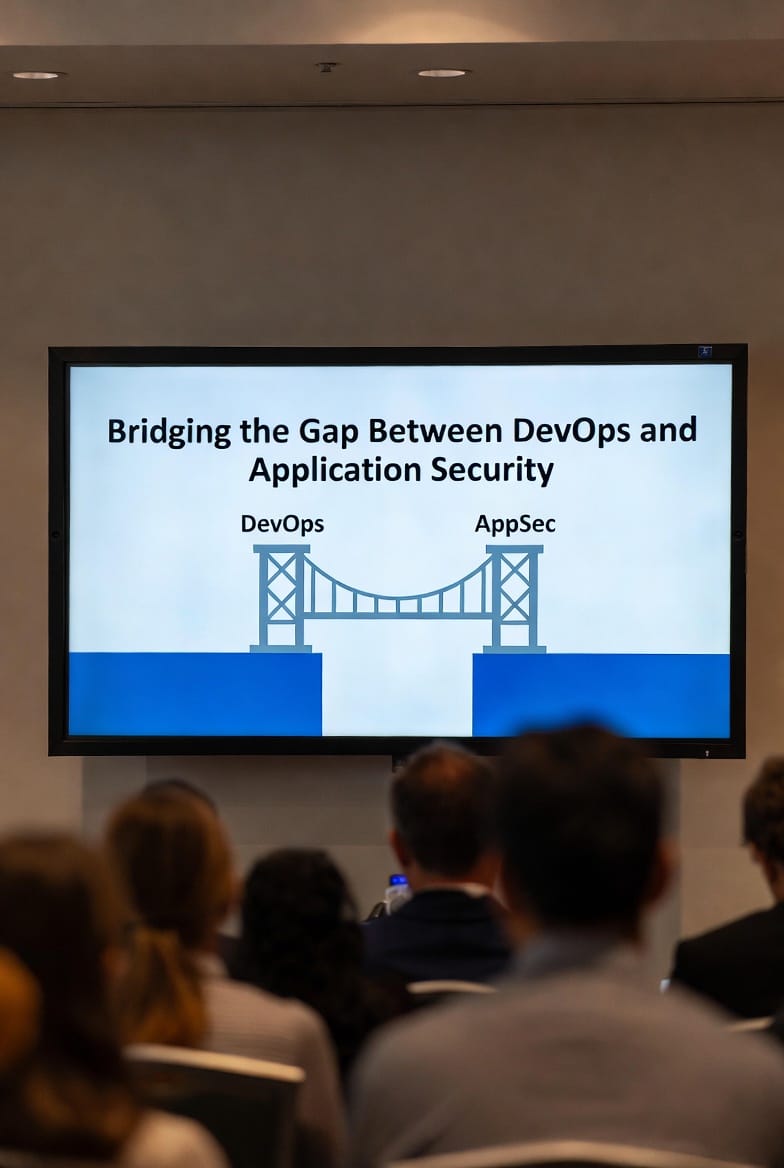
The gap between threat detection and mitigation is the primary playground for modern adversaries. By evolving from a static shield to a self-healing perimeter, organizations can maintain the speed of DevOps without sacrificing the integrity of their applications. The future of application safety isn't just about building stronger walls; it's about building systems that are smart enough to repair themselves in the heat of an attack. As you continue to refine your security stack, prioritize automation that bridges the gap between your WAF's intelligence and your deployment pipeline's agility.