The Zero-Trust Pipeline
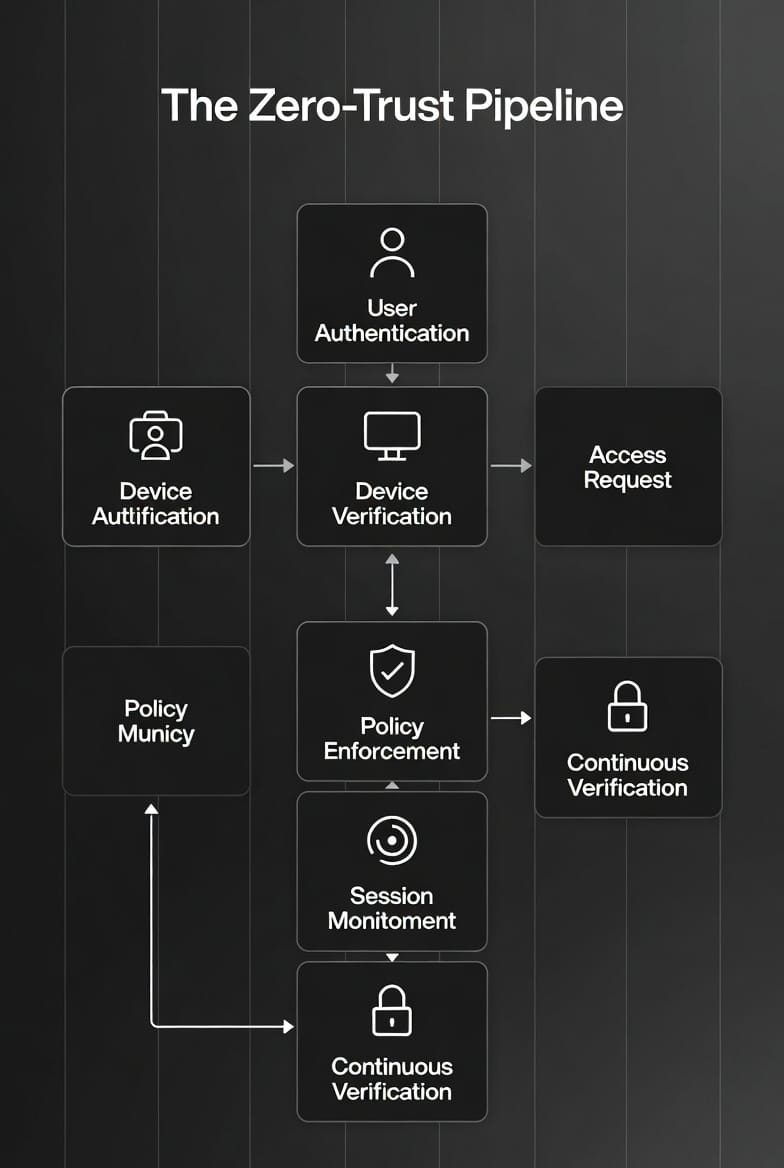
The Zero-Trust Pipeline: Why Application Safety Must Be Decoupled from Infrastructure
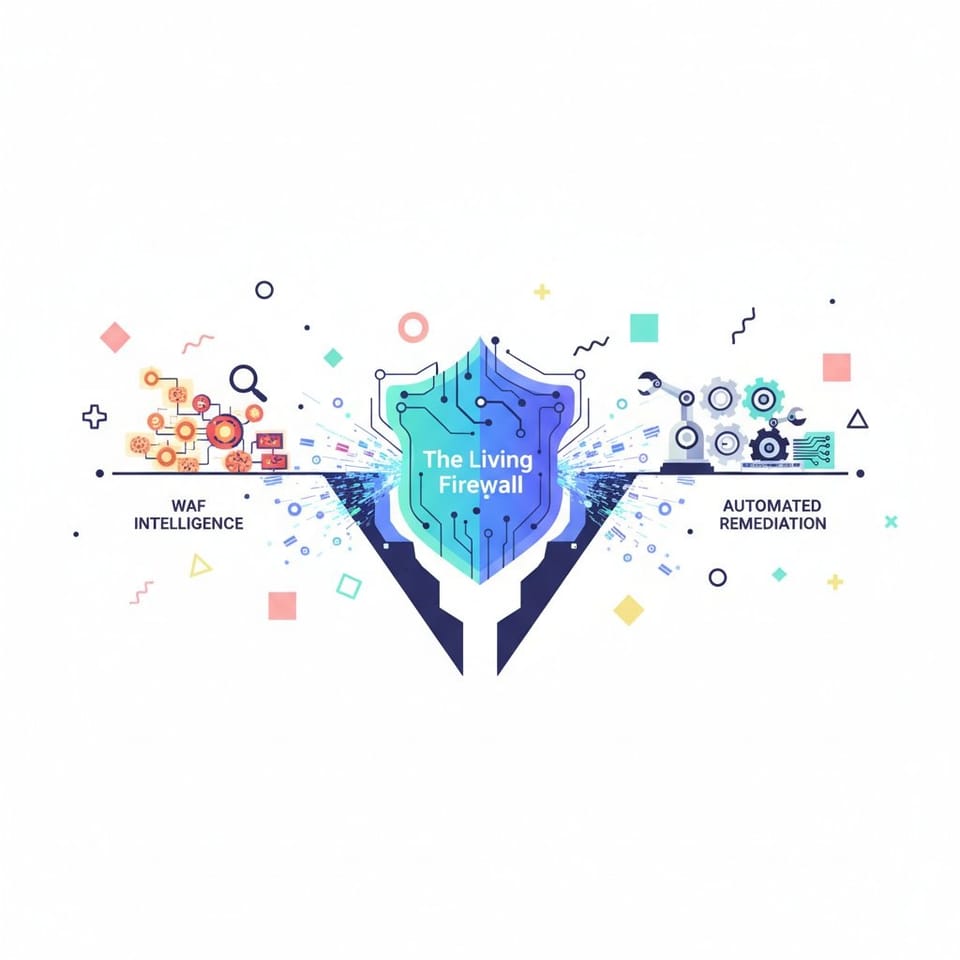
In the traditional development lifecycle, security was often treated as the "final hurdle"—a gatekeeping phase that occurred just before deployment. However, as modern architectures shift toward microservices and headless frontends, this reactive approach has become a significant bottleneck. True application safety in a DevOps world is no longer about building a bigger wall; it is about integrating security directly into the heartbeat of the development pipeline. By decoupling security logic from the underlying infrastructure, organizations can achieve a state of "Security as Code" that scales as fast as their deployments.
From Perimeter Defense to Integrated Security-as-Code
While a Web Application Firewall (WAF) is essential, its effectiveness is often limited by how late it is introduced in the development cycle. Modern DevOps teams are moving away from manual console configurations toward declarative security policies. This transition ensures that every time a new backend endpoint is created or a frontend route is modified, the corresponding security parameters—such as rate limiting, geo-fencing, and payload inspection—are automatically updated.
Version-Controlled Security: Storing WAF rules and security headers in Git alongside your application code.
Automated Policy Testing: Running security simulations within CI/CD to ensure new code doesn't break existing safety protocols.
Granular Context: Moving beyond IP-based filtering to identity-aware protection that understands the user's intent.
Automating WAF Policies via CI/CD Pipelines
To achieve seamless application safety, security configurations should be treated with the same rigor as application code. Below is an example of a declarative security configuration using YAML. This snippet demonstrates how a DevOps team might define an automated WAF rule update within a deployment pipeline to protect a new API endpoint from SQL Injection and excessive requests.
security_policy:
  version: '2.1'
  application_target: backend-api-production
  rules:
    - name: Protect-User-Data-Endpoint
      action: block
      priority: 10
      conditions:
        - match_type: sql_injection_detection
          target_buffer: query_string
        - match_type: rate_limit
          threshold: 100
          period_seconds: 60
    - name: Enforce-Modern-TLS
      action: allow
      min_tls_version: '1.3'
      enforce_headers:
        - Strict-Transport-Security
        - X-Content-Type-Options
Bridging the Gap: Frontend Resilience and Backend Integrity
Application safety is a two-way street. While the backend requires rigorous input validation and protection against resource exhaustion, the frontend must be shielded from client-side attacks like Cross-Site Scripting (XSS) and data exfiltration. A modern, SEO-optimized application ensures that security headers are injected at the edge, reducing the load on the origin server while providing a faster, safer experience for the end user. By unifying these layers under a single behavioral intelligence framework, teams can stop chasing individual vulnerabilities and start defending the entire application lifecycle.
Conclusion
The convergence of DevOps and Cyber Security is not just a trend; it is a necessity for the modern enterprise. As we move away from static shields toward dynamic, code-driven protection, the goal remains the same: ensuring that safety is invisible, automated, and unbreakable. By adopting a Zero-Trust approach within your pipeline, you transform security from a development friction point into a strategic advantage that fosters innovation without compromise.