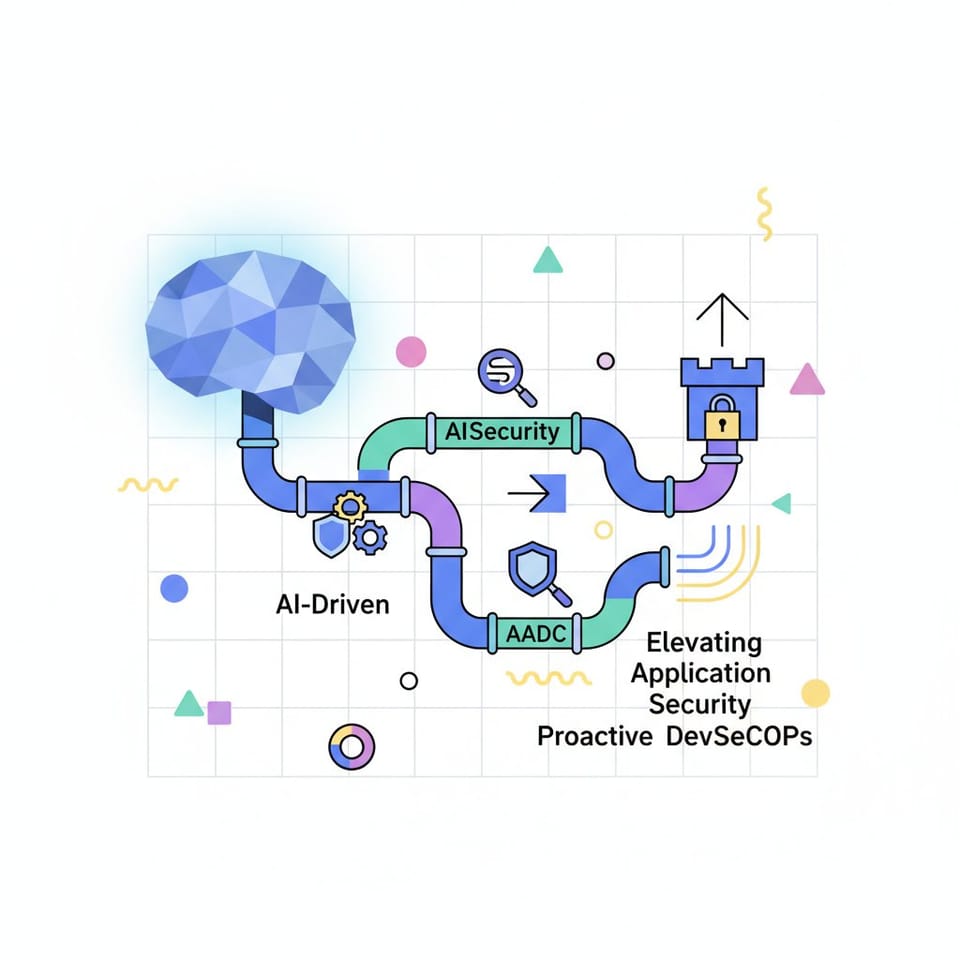
AI-Driven Behavioral Analysis for Proactive Application Safety
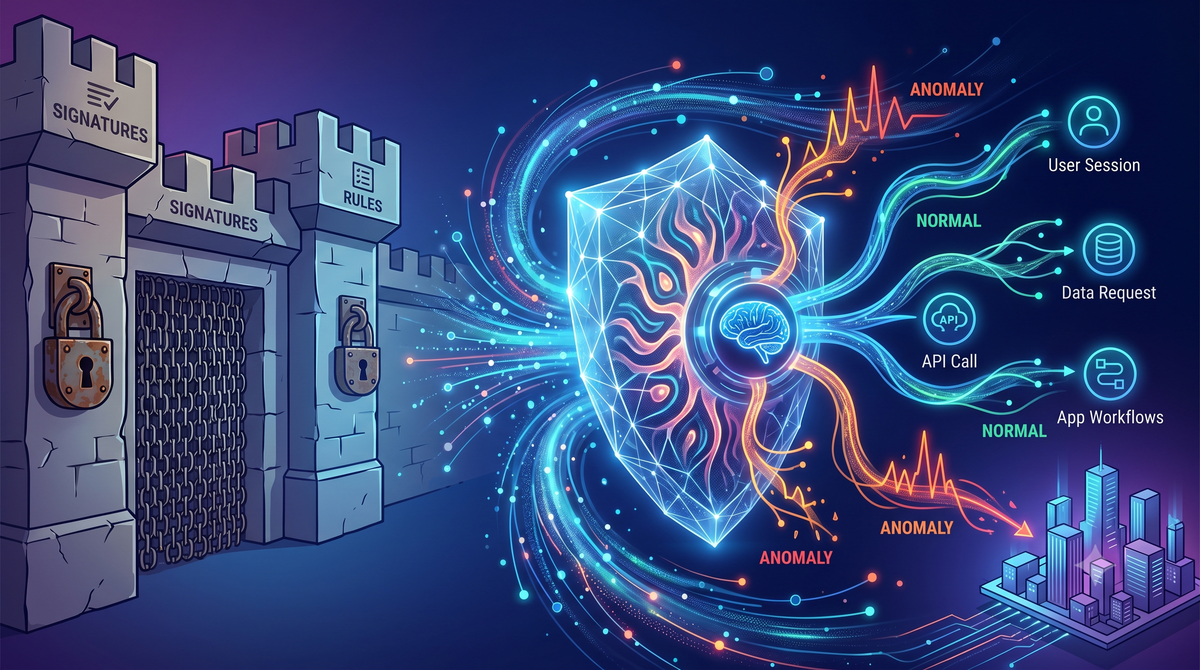
Beyond Signatures: AI-Driven Behavioral Analysis for Proactive Application Safety
In an era where cyber threats evolve at an unprecedented pace, traditional signature-based security mechanisms are increasingly falling short. Attackers are sophisticated, often bypassing known patterns and exploiting subtle anomalies that go unnoticed by static rule sets. For modern applications, especially those developed within agile DevOps pipelines, a more dynamic and intelligent defense is paramount. This post explores how AI-driven behavioral analysis is revolutionizing application safety, moving us from reactive protection to proactive threat anticipation.
Key Technical Details: The Power of Anomaly Detection
At its core, AI-driven behavioral analysis involves training machine learning models to understand the "normal" operational patterns of an application and its users. Instead of looking for known malicious signatures, these systems establish a baseline of expected behavior, including user login patterns, API access frequencies, data request volumes, and typical application workflows. Any deviation from this learned baseline is flagged as an anomaly, potentially indicating a novel or sophisticated attack.
Unlike traditional Web Application Firewalls (WAFs) that rely on a predefined set of rules to block known attacks, behavioral analysis systems can detect zero-day exploits, sophisticated bot attacks, account takeovers, insider threats, and even business logic abuse. They achieve this by continuously monitoring a multitude of data points:
User Behavior: Analyzing login attempts, session duration, geographic locations, and typical request sequences.
Application Interaction: Monitoring API call patterns, resource access, database queries, and data flow.
Network Telemetry: Observing request rates, payload sizes, HTTP methods, and response codes.
Machine learning models, often employing supervised or unsupervised learning techniques, process this vast amount of data. Supervised models might be trained on labeled data of known good and bad behaviors, while unsupervised models excel at discovering hidden patterns and anomalies without prior labeling, making them ideal for detecting unknown threats.
# Example conceptual WAF/WAAP policy configuration leveraging behavioral analysis
apiVersion: security.example.com/v1
kind: ApplicationSecurityPolicy
metadata:
  name: ai-behavioral-protection-policy
spec:
  targetApplications:
    - my-critical-webapp
  securityModules:
    - type: BehavioralAnalysis
      enabled: true
      thresholds:
        userAnomalyScore: 0.75 # Flag if user behavior deviates significantly from baseline (0-1)
        requestAnomalyScore: 0.80 # Flag if request pattern is unusual (0-1)
      detectionModels:
        - type: MachineLearning
          modelName: user-session-profiler
          dataSources:
            - user-agent
            - ip-address
            - geographical-location
            - request-frequency-per-session
            - failed-login-attempts
        - type: MachineLearning
          modelName: api-access-pattern-detector
          dataSources:
            - api-endpoint-path
            - http-method
            - payload-size
            - response-codes
            - time-of-day-access
      actions:
        onHighAnomaly:
          - blockRequest
          - alertSecurityTeam
          - isolateSourceIP
          - triggerMFAChallenge # For user-related anomalies
Best Practices for Implementing AI-Driven Application Safety
Integrating AI-driven behavioral analysis into your security posture, especially within a fast-paced DevOps environment, requires strategic planning and continuous effort:
Comprehensive Data Collection: The effectiveness of AI models hinges on the quality and volume of data. Ensure your applications, APIs, and infrastructure logs provide rich, granular data for training and real-time analysis.
Continuous Learning and Adaptation: Application behavior and user patterns are not static. Implement mechanisms for continuous model retraining and adaptation to prevent drift and maintain accuracy. This means your security solution must learn alongside your application's evolution.
Seamless DevOps Integration (Shift Left): Embed security tools and practices directly into your CI/CD pipeline. Automate the deployment of security policies, integrate security testing, and ensure feedback loops allow developers to address security issues early.
Augment with Threat Intelligence: While behavioral analysis is powerful, combining it with up-to-date threat intelligence feeds (IP blacklists, known attack patterns) provides a multi-layered defense.
Human Oversight and Expertise: AI is a powerful tool, but it's not a silver bullet. Security analysts are crucial for validating alerts, fine-tuning models, investigating complex incidents, and responding effectively to threats.
Embrace WAAP (Web Application and API Protection): Move beyond traditional WAFs to a WAAP solution that offers broader protection, encompassing API security, bot management, and advanced DDoS mitigation, all underpinned by behavioral analysis.
Conclusion
The landscape of application security has irrevocably shifted. Relying solely on static rules and signature-based defenses is no longer sufficient against the adaptive nature of modern cyber threats. AI-driven behavioral analysis represents a significant leap forward, offering a proactive and intelligent defense mechanism that can detect and mitigate previously unseen attacks. By integrating these advanced capabilities into a robust DevOps framework, organizations can build truly resilient applications, ensuring safety and trust in an increasingly hostile digital world. Embracing this new frontier of security isn't just an option; it's a necessity for future-proofing your digital assets.