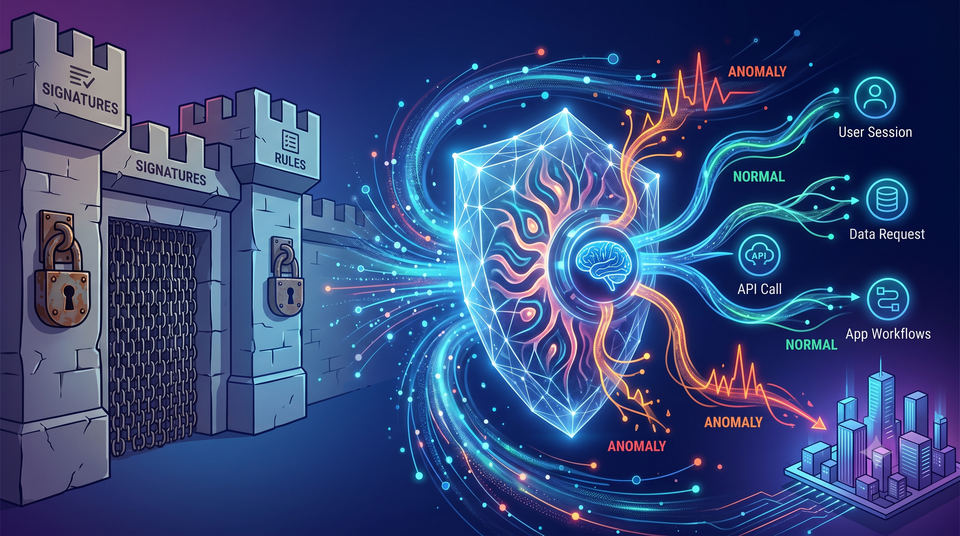
The AI-Driven Pipeline: Elevating Application Security with Proactive DevSecOps
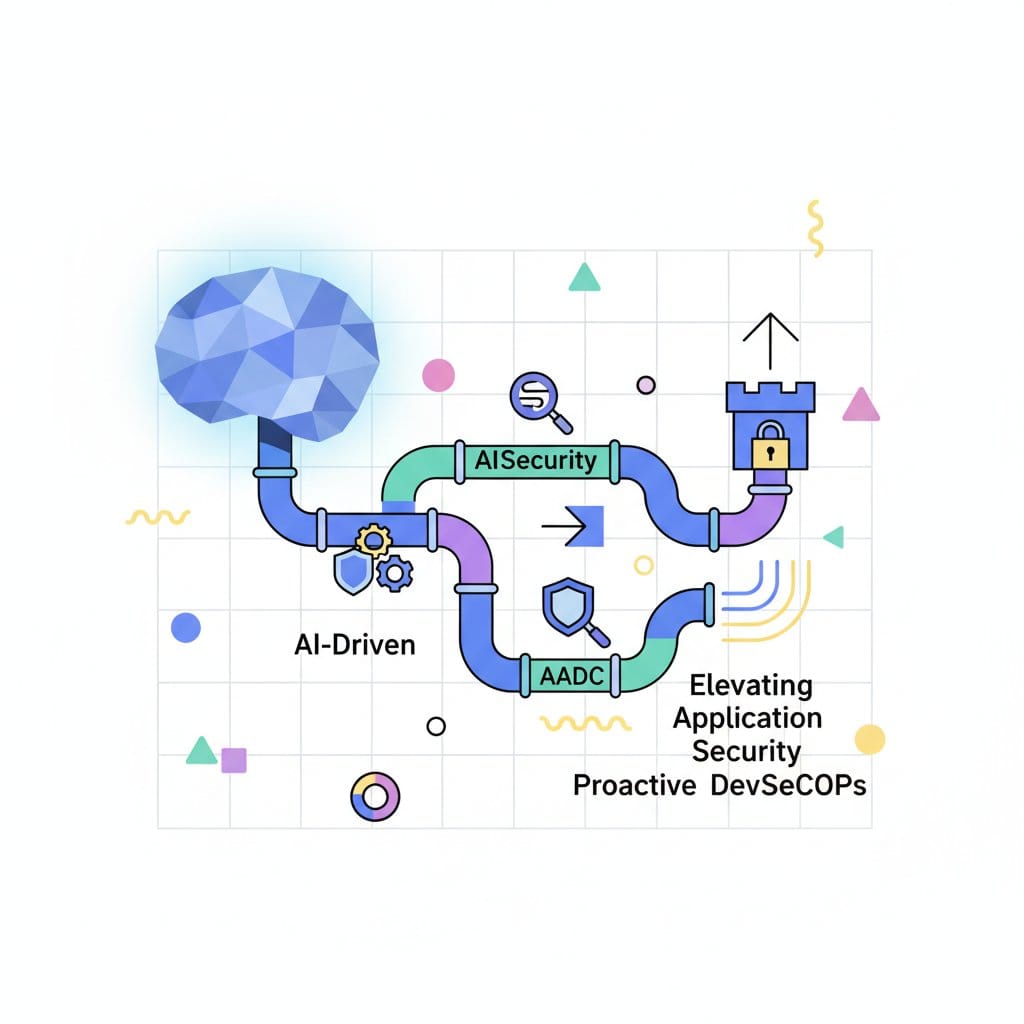
The AI-Driven Pipeline: Elevating Application Security with Proactive DevSecOps
The rapid pace of modern software development, fueled by DevOps methodologies, has brought unprecedented agility and innovation. However, this velocity often creates a tension with traditional security practices, which can be perceived as bottlenecks. The "shift left" movement emerged to embed security earlier in the development lifecycle, but even then, the sheer volume of code, dependencies, and potential vulnerabilities can overwhelm human teams and conventional scanning tools. Enter Artificial Intelligence, a game-changer transforming DevSecOps from a reactive gatekeeper to a proactive, intelligent partner in building truly resilient applications.
Key Technical Details
AI's integration into DevSecOps isn't about replacing security engineers; it's about augmenting their capabilities, providing deeper insights, and automating repetitive tasks. This empowers teams to identify and remediate vulnerabilities faster and more accurately across the entire software development lifecycle (SDLC).
Key areas where AI is making a significant impact include:
Intelligent Static Application Security Testing (SAST): AI-enhanced SAST tools go beyond pattern matching. They can understand code context, data flow, and potential execution paths, drastically reducing false positives and identifying complex logical flaws that traditional SAST might miss.
Dynamic Application Security Testing (DAST) with Behavioral Analysis: AI can simulate advanced attack scenarios, learning from application behavior to uncover vulnerabilities that only manifest during runtime interactions, often mimicking real-world attacker techniques.
Interactive Application Security Testing (IAST): Combining the best of SAST and DAST, AI-powered IAST monitors application execution from within, providing real-time vulnerability detection with precise code-level insights and context.
Automated Threat Modeling and Risk Prioritization: AI can analyze architectural designs, identify potential attack surfaces, and even predict the likelihood and impact of various threats, helping teams prioritize remediation efforts based on actual risk.
Supply Chain Security and Dependency Analysis: With the proliferation of open-source components, AI can analyze vast repositories for known vulnerabilities, identify suspicious patterns in dependency trees, and even predict future risks in third-party libraries.
Runtime Application Self-Protection (RASP): AI-driven RASP solutions can learn normal application behavior, detect deviations indicative of attacks in real-time, and automatically mitigate threats without requiring code changes or human intervention.
For instance, consider how AI can enhance a SAST scan. Instead of just flagging a known SQL injection pattern, an AI-powered tool might analyze the entire data flow from user input through multiple functions to the database query, understanding the sanitization logic (or lack thereof) and providing a higher-confidence vulnerability report.
Here's a simplified example of a CI/CD pipeline step leveraging an AI-enhanced security scanner, demonstrating the "shift left" principle:
# .gitlab-ci.yml or similar CI/CD configuration
stages:
  - build
  - test
  - security_scan
  - deploy

build_job:
  stage: build
  script:
    - npm install
    - npm run build

test_job:
  stage: test
  script:
    - npm run test

ai_security_scan:
  stage: security_scan
  image: your-ai-security-scanner-image:latest # Replace with actual AI security tool image
  script:
    - echo "Running AI-powered code analysis..."
    - ai-security-scanner analyze --project-path . --output-format json > security_report.json
    - ai-security-scanner enforce --policy-file security_policy.yaml security_report.json
    - echo "AI security scan completed. Check 'security_report.json' for details."
  allow_failure: false # Fail the pipeline if critical vulnerabilities are found
  artifacts:
    paths:
      - security_report.json
Best Practices
To effectively harness the power of AI in your DevSecOps pipeline, consider these best practices:
Integrate Early and Continuously: Embed AI-driven security tools from the very first commit, not just before deployment. Make security a continuous process, not a one-time event.
Automate, Automate, Automate: Leverage AI's automation capabilities to reduce manual effort, speed up feedback loops, and ensure consistent security checks across all projects.
Prioritize with Intelligence: Use AI's risk prioritization features to focus on the most critical vulnerabilities first, optimizing remediation efforts and resource allocation.
Foster a Security-First Culture: Educate developers on common vulnerabilities and the insights provided by AI tools. Empower them to own security from the start.
Choose the Right Tools: Evaluate AI-powered security solutions based on their accuracy, integration capabilities, ease of use, and ability to learn and adapt to your specific tech stack.
Establish Feedback Loops: Continuously feed insights from runtime protection and incident response back into your development and AI training models to improve future detection and prevention.
Conclusion
The landscape of application security is constantly evolving, and traditional defenses are no longer sufficient against sophisticated threats. By embracing AI-powered DevSecOps, organizations can move beyond reactive scanning to build truly proactive, intelligent, and resilient applications. This isn't just about finding bugs; it's about fundamentally transforming how we approach software development, making security an intrinsic, automated, and intelligent part of every stage of the pipeline, ultimately leading to more secure, "unbreakable" applications that inspire trust and confidence.