Shifting Left: Integrating Advanced Application Security into Your DevOps Workflow
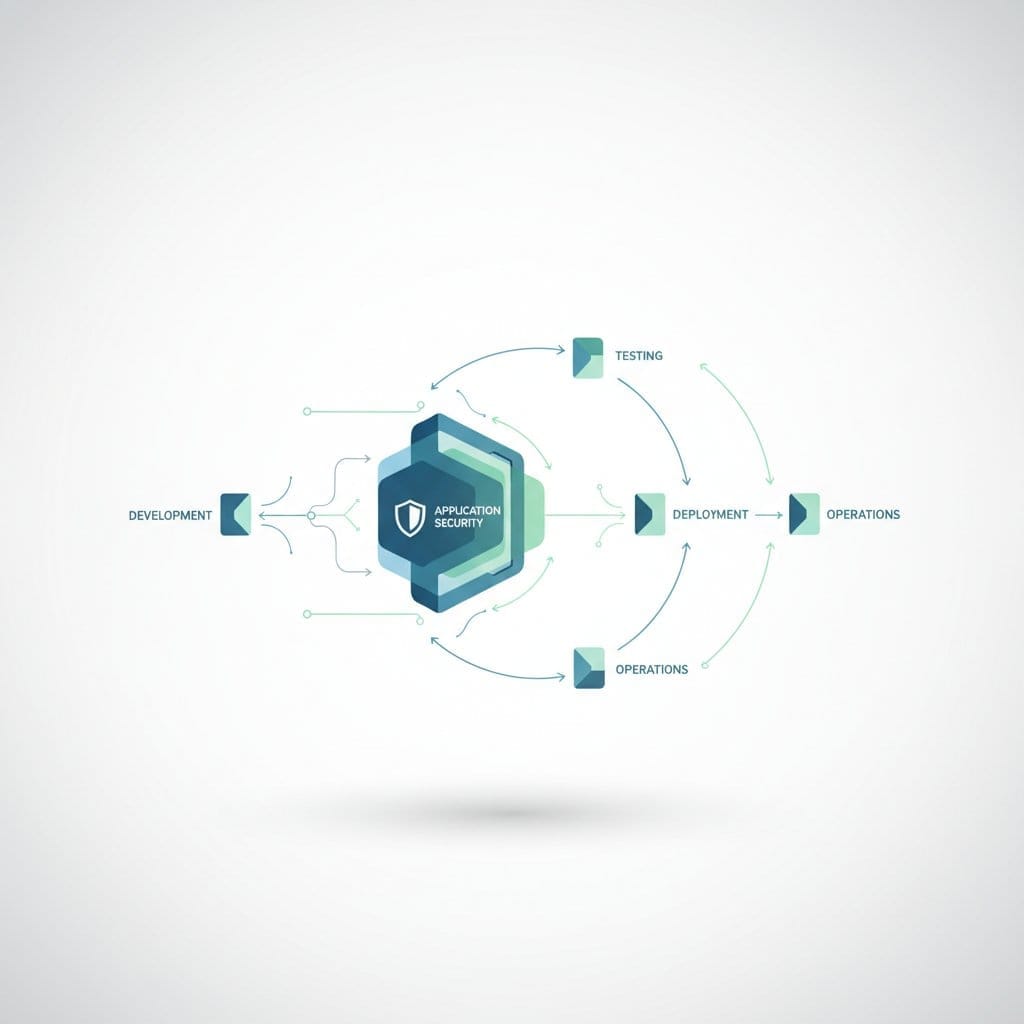
In the fast-paced world of modern software development, the traditional "security gate" at the end of the release cycle is no longer sustainable. DevOps methodologies prioritize speed, agility, and continuous delivery, often leaving security teams struggling to keep pace. The solution? Shifting left – embedding security practices, tools, and culture earlier into the Software Development Life Cycle (SDLC). This approach transforms security from a reactive bottleneck into a proactive, integrated component of the entire development pipeline, leveraging advanced application safety mechanisms like intelligent Web Application and API Protection (WAAP) and Security-as-Code.
Key Technical Details: Embracing Proactive Application Safety
Shifting left fundamentally means moving security considerations from the operational phase (post-deployment) to the design and development phases. This involves a suite of tools and practices:
- Static Application Security Testing (SAST): Analyzing source code for vulnerabilities before compilation.
- Dynamic Application Security Testing (DAST): Testing running applications from the outside to identify vulnerabilities.
- Software Composition Analysis (SCA): Identifying and managing open-source components and their known vulnerabilities.
- Interactive Application Security Testing (IAST): Combining elements of SAST and DAST, running within the application to provide real-time vulnerability detection.
- Security-as-Code (SaC): Defining security policies, configurations, and checks directly within code repositories, enabling version control, automation, and consistency.
- Advanced WAAP (Web Application and API Protection): Evolving beyond traditional WAFs, modern WAAPs integrate with the CI/CD pipeline, offering API discovery, behavioral analytics, bot protection, and proactive threat verification, often powered by AI and machine learning. These tools provide a critical last line of defense while also feeding insights back into the development process.
Integrating these elements means security becomes an inherent quality of the application, not an afterthought. For instance, SAST and SCA tools can be triggered automatically on every code commit or pull request, providing immediate feedback to developers.
Consider a typical CI/CD pipeline where security checks are woven throughout. Here's how a security gate might look in a GitHub Actions workflow for a simple Node.js application:
name: CI/CD Pipeline with Security Gates

on:
  push:
    branches:
      - main
  pull_request:
    branches:
      - main

jobs:
  build-and-test:
    runs-on: ubuntu-latest
    steps:
    - uses: actions/checkout@v3
    - name: Use Node.js
      uses: actions/setup-node@v3
      with:
        node-version: '18'
    - name: Install dependencies
      run: npm install
    - name: Run unit tests
      run: npm test

  security-scan:
    needs: build-and-test
    runs-on: ubuntu-latest
    steps:
    - uses: actions/checkout@v3
    - name: Run SAST with Snyk
      uses: snyk/actions/node@master
      env:
        SNYK_TOKEN: ${{ secrets.SNYK_TOKEN }}
      with:
        command: test
        args: --all-projects
    - name: Run Dependency Scan (SCA)
      run: |
        # Example using npm audit, replace with dedicated SCA tool for production
        npm audit --audit-level=high || exit 1
    - name: Build Docker Image (if applicable)
      run: docker build -t myapp:latest .
    - name: Scan Docker Image for vulnerabilities
      # Example using Trivy, replace with your preferred image scanner
      run: trivy image --exit-code 1 --severity CRITICAL,HIGH myapp:latest
Best Practices for a Secure DevOps Workflow
To truly shift left and build a resilient application safety posture, consider these best practices:
- Automate Everything: Integrate SAST, DAST, SCA, and image scanning into your CI/CD pipelines. Automate WAF/WAAP rule deployment and updates via Infrastructure-as-Code (IaC) tools.
- Security-as-Code (SaC): Define security policies (e.g., network segmentation, IAM roles, WAF rules, API security policies) as code. This allows for version control, peer review, and automated enforcement.
- Developer Enablement: Provide developers with easy-to-use security tools, training, and clear guidelines. Foster a culture where security is a shared responsibility, not just the security team's.
- Embrace Zero-Trust Principles: Assume no user or device can be trusted by default, even inside the network perimeter. Implement strict access controls, micro-segmentation, and continuous verification.
- Leverage Modern WAAP: Deploy WAAP solutions that offer behavioral analytics, API discovery, bot management, and AI-driven threat intelligence. Configure them to integrate with your monitoring tools and provide feedback to development teams on potential attack vectors.
- Continuous Monitoring and Feedback: Implement robust logging, monitoring, and alerting. Use insights from production (e.g., WAF logs, runtime application self-protection - RASP) to inform and improve earlier security stages.
- Threat Modeling: Conduct threat modeling early in the design phase to identify potential vulnerabilities and design security controls proactively.
Conclusion
The journey to a truly secure application landscape in a DevOps world requires a fundamental shift in mindset and strategy. By "shifting left" and deeply integrating advanced application security tools and practices throughout the SDLC, organizations can build more resilient applications, accelerate delivery, and significantly reduce their attack surface. This proactive approach, combining automation, Security-as-Code, and intelligent WAAP solutions, empowers development teams to deliver secure software at the speed of business, making security an enabler, not a roadblock.